Home
- Programs
Electrical and Electronics Engineering
Started in 2008, the Department of Electrical and Electronics Engineering at Ashoka Women’s Engineering College prepares industry-ready women engineers with strong technical foundations and professional confidence. The department currently has an intake of 60 students and plays a vital role in meeting both local industry needs and emerging technological demands.
With experienced and committed faculty, strong laboratory infrastructure, and a focus on practical learning, the department continuously encourages students to participate in industrial visits, internships, and technical training programs.
In addition to the undergraduate B.Tech program, the department offers a Post Graduate program in Electrical Power Systems (EPS) with an intake of 18. Active research is carried out in Power Systems, Power Electronics & Drives, and Dynamic Control Systems, strengthening innovation and technical depth.
Head of the Department
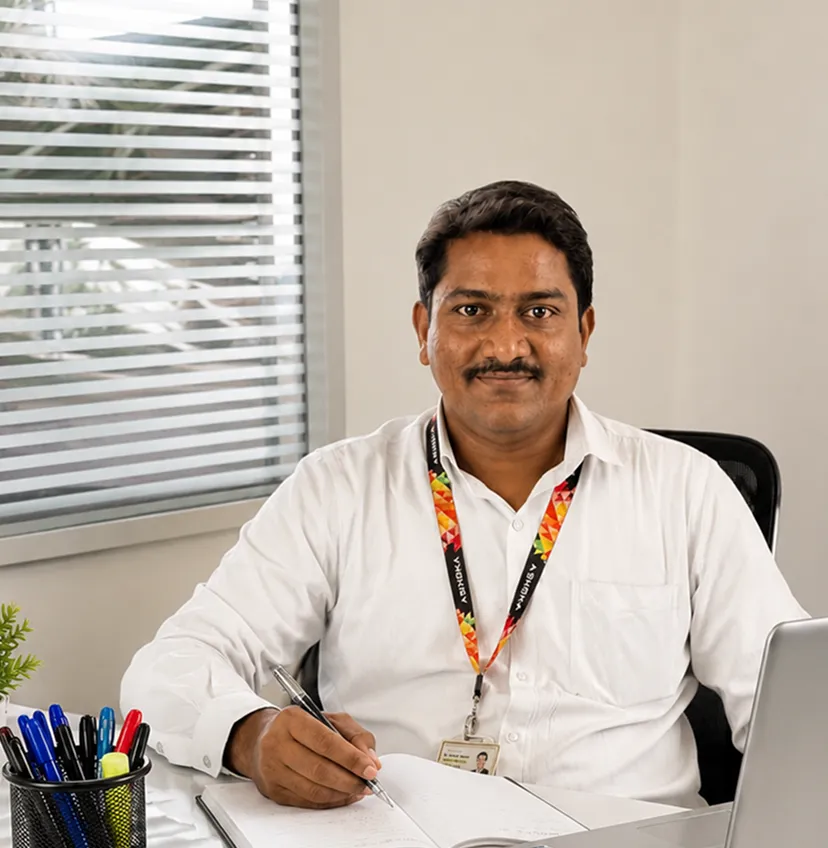
Dr. M. A. Sasi Bhushan is a dedicated academician and researcher with over 13 years of experience in teaching, research, and academic development in the field of Electrical and Electronics Engineering. He holds a Ph.D. from Pondicherry University, an M.Tech. in Electrical Power Systems from JNTU College of Engineering Anantapur, and a B.Tech. in Electrical and Electronics Engineering from SVCET. He is committed to delivering quality education, promoting innovation, and contributing to institutional growth through effective teaching and research practices.
His research expertise includes Distribution Networks and Renewable Energy Sources, with multiple publications in SCI, ESCI, and Scopus-indexed journals. He has also secured Indian patents, completed NPTEL certification courses, and actively participated in conferences and international workshops that strengthen his academic and research capabilities.
Apart from academics and research, Dr. Sasi Bhushan actively encourages student-driven learning initiatives through technical workshops, hackathons, coding and innovation programs, seminars, industrial visits, project-based learning activities, and hands-on technical training sessions. He strongly believes in experiential learning approaches that help students enhance problem-solving skills, technical expertise, innovation, and industry readiness. His dedication toward mentoring students and fostering a culture of continuous learning makes him a valuable contributor to engineering education and institutional excellence.

Dr. M. A. Sasi Bhushan
Professor & Head - Electrical & Electronics Engineering
Curriculum Structure
Power Systems. Electrical Innovation. Industry Excellence.
The curriculum follows JNTUA regulations and builds strong foundations in electrical engineering principles while developing analytical and design skills required for modern industries.
Key Learning Areas Include:
Electrical Circuits and Systems
Power Systems and Electrical Machines
Power Electronics and Drives
Dynamic Control Systems
Electrical Measurements and Instrumentation
Project-Based Learning and Professional Training
The program emphasizes technical excellence, ethical values, teamwork, and lifelong learning, preparing women engineers to meet global industry standards.
Program Objectives
Developing Skilled Electrical and Electronics Engineering Professionals
Develop strong knowledge in electrical and electronics engineering that enables graduates to build successful careers in industries or pursue higher studies in advanced technological fields.
Equip students with scientific and engineering fundamentals that help them analyze, design, and develop solutions for emerging technologies while strengthening their communication and managerial abilities.
Prepare graduates to adapt to continuously evolving technological environments through innovation, problem-solving skills, and professional competence.
Encourage graduates to work effectively in multidisciplinary teams while demonstrating leadership, ethical values, and a strong sense of social responsibility.
Placement Highlights
Ashoka Women’s Engineering College supports students through internships, industrial visits, skill development programs, and career-oriented training.
The department’s active industry collaborations and MoUs with organizations such as Sorting Hat Technologies, Vector India, I LABS Hyderabad, GREENVION Energy Technologies, and others enhance practical exposure and employability.
FAQs
1. What degree does the EEE department offer?
The department offers a B.Tech in Electrical and Electronics Engineering and a Post Graduate program in Electrical Power Systems (EPS).
2. When was the department established?
The department was established in 2008 with an intake of 60 students.
3. What are the research areas in EEE?
Research focuses on Power Systems, Power Electronics & Drives, and Dynamic Control Systems.
4. Does the department support innovation and patents?
Yes. Faculty have published research papers in SCI and Scopus journals and hold patents in areas such as Electric Vehicle technology.
5. Are internships and industry collaborations available?
Yes. The department maintains multiple functional MoUs and encourages internships and industrial exposure.
6. What makes EEE at Ashoka unique for women?
Ashoka provides a secure, empowering environment where women engineers are trained with strong technical foundations, ethical values, and leadership skills to succeed in power and energy sectors.