


Home
- Departments
CS Engineering
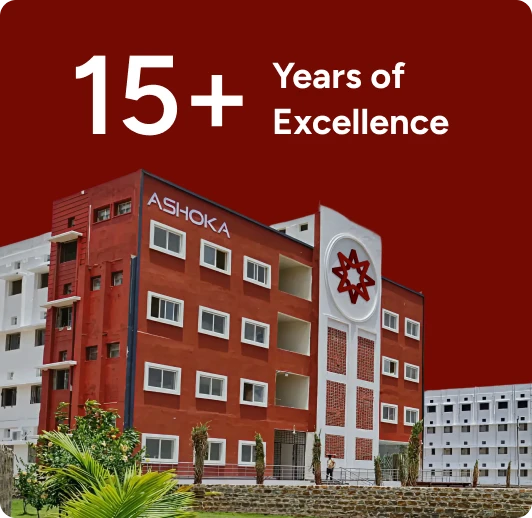
Ashoka Women’s Engineering College is widely recognised for its strong placement outcomes, with reputed IT and core companies visiting the campus every year for recruitment.
Head of the Department
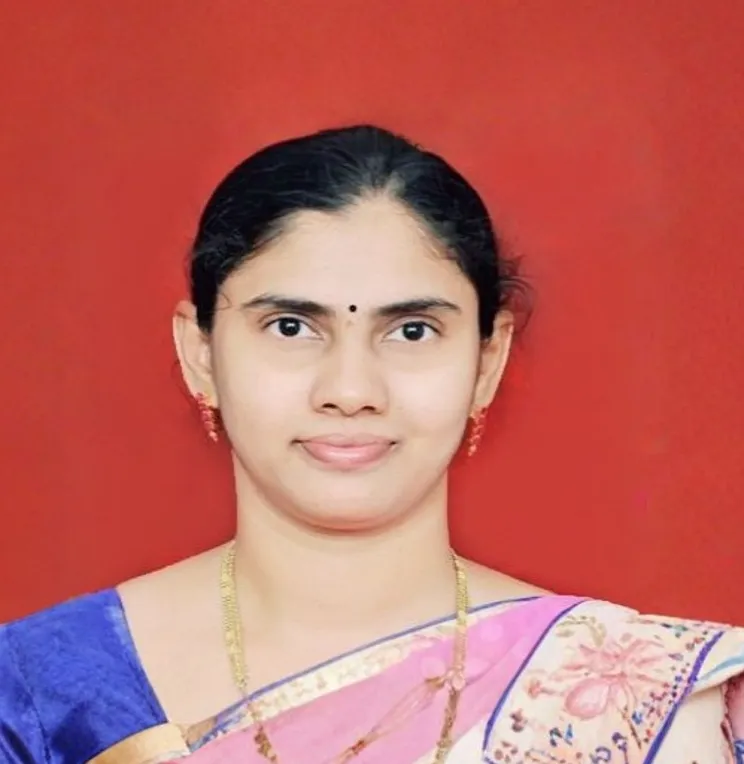
Dr. T. Phani Madhavi holds a B.Tech in Civil Engineering from Acharya Nagarjuna University, M.Tech in Environmental Engineering, and Ph.D in Civil Engineering from Sri Venkateswara University.
Her research areas include environmental engineering, water quality, waste management, construction management, and environmental impact assessment. With over 15 years of experience in teaching and research, she has published more than 30 research papers and actively contributes to academic and professional development.

Dr. T. Phani Madhavi
Head of Department - Civil Engineering

Faculty
The department is led by experienced faculty members dedicated to academic excellence and student mentorship.
Sandra Miller
Professor, Mechanical Engineering
Sandra Miller
Professor, Mechanical Engineering
Sandra Miller
Professor, Mechanical Engineering
Sandra Miller
Professor, Mechanical Engineering
Sandra Miller
Professor, Mechanical Engineering
Sandra Miller
Professor, Mechanical Engineering
Research Areas
Creative Solutions
Foster inventive solutions in advanced computing methods and high-performance algorithms.
Collaborative Design
Promote teamwork in user-centric design processes and interactive digital experiences.
Strategic Planning
Advance comprehensive strategies for optimizing project management and resource allocation.
Dynamic Learning
Support adaptive learning approaches in educational technologies and personalized curriculums.
Sustainable Growth
Encourage sustainable practices in business models and eco-friendly product development.
Inclusive Innovation
Drive inclusive innovation in community-based projects and participatory design frameworks.
Publications
Labs & Facilities
Diverse Careers in Infrastructure and Development
The curriculum follows JNTUA regulations and combines core engineering subjects with hands-on training and project work.
Testing and verification of automation systems, relay protection algorithms, and power automation systems.
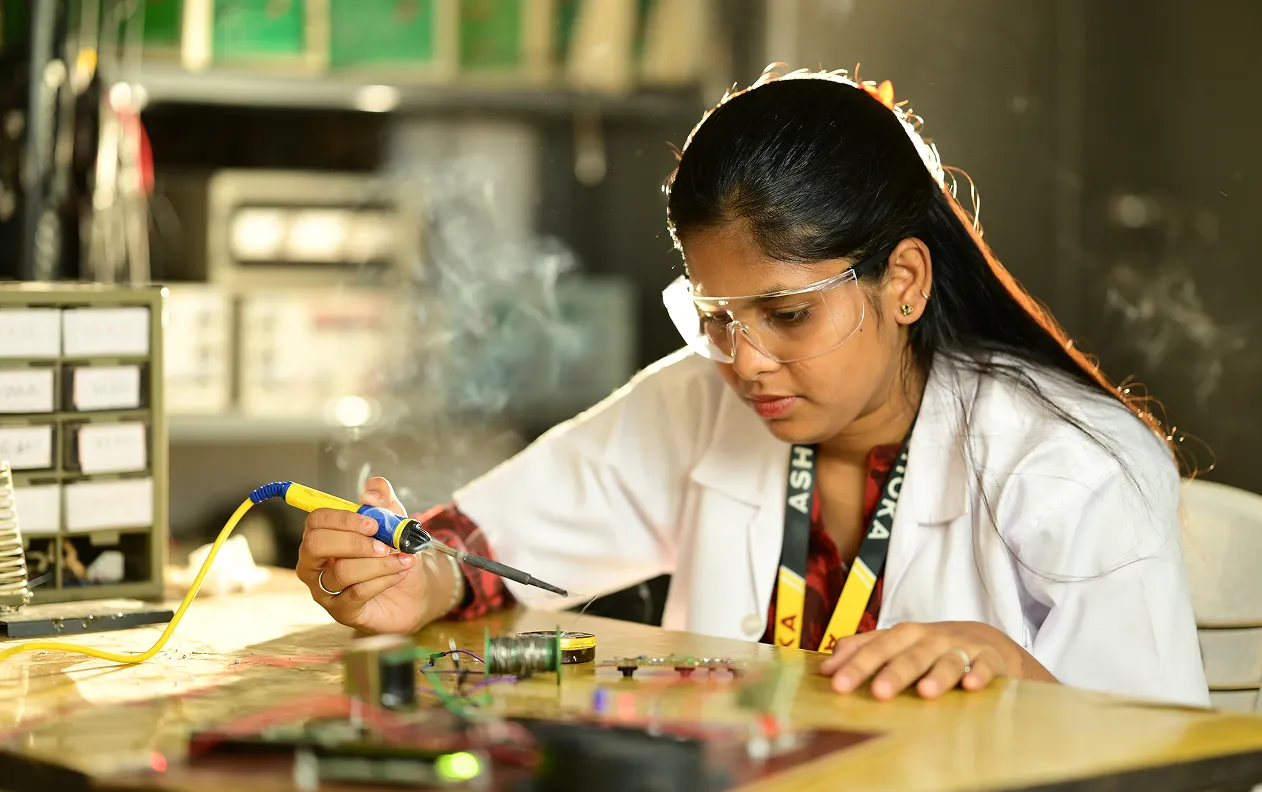
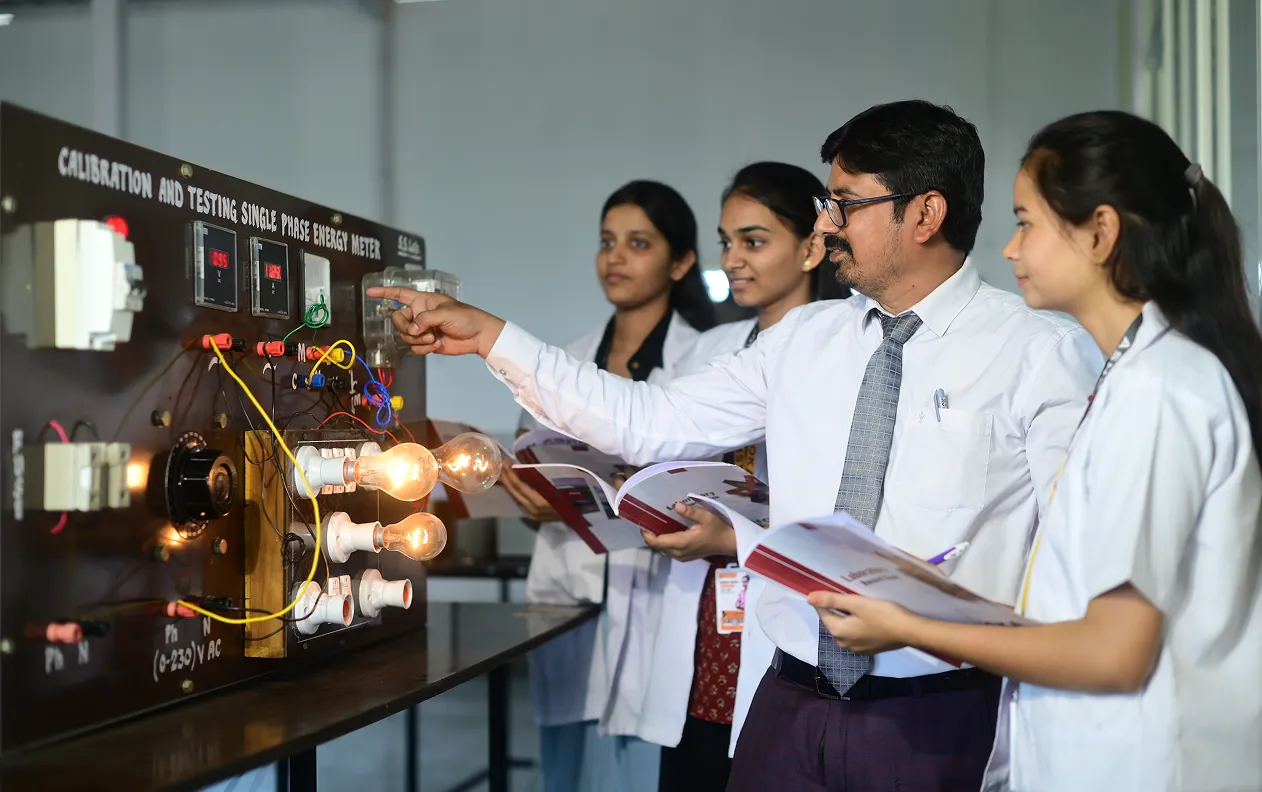
Measurement of voltage, current, power, resistance, inductance, capacitance, and instrument transformer applications.
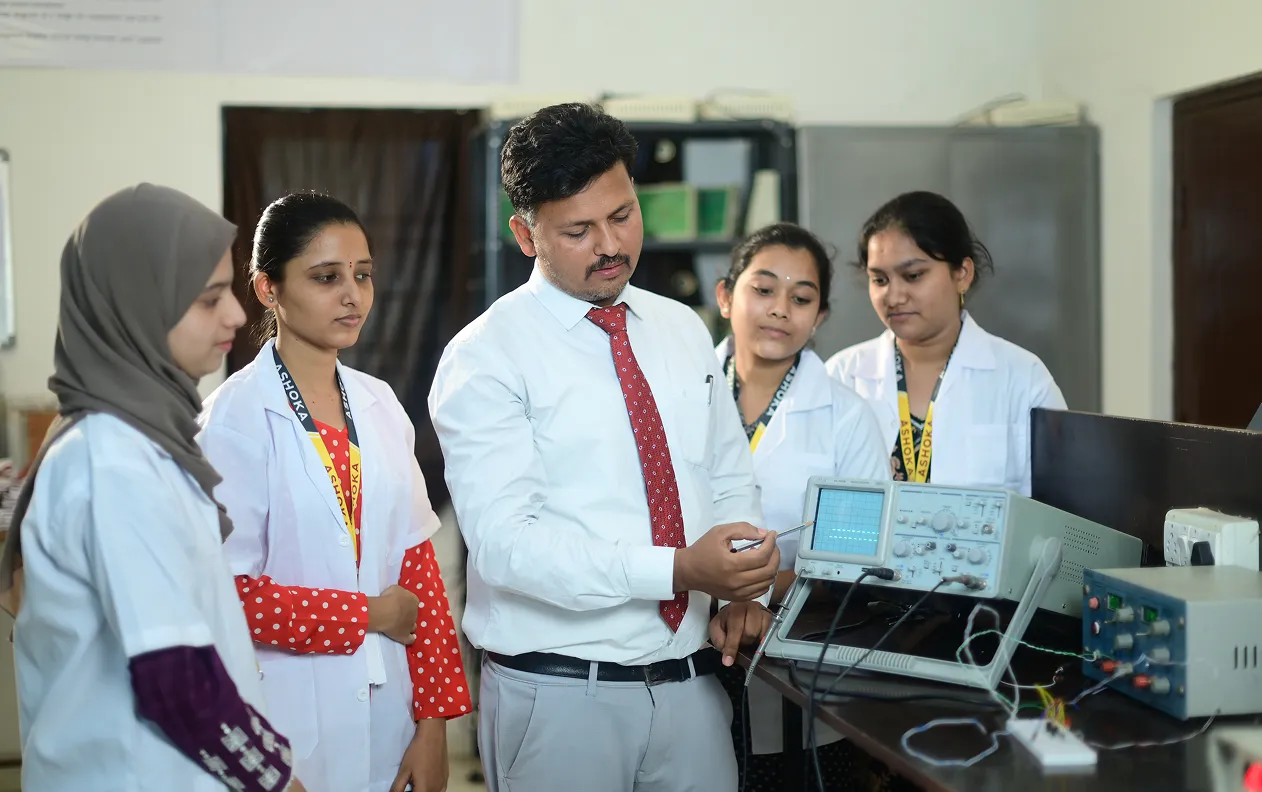
Hands-on understanding of advanced power semiconductor devices and power electronic circuits.
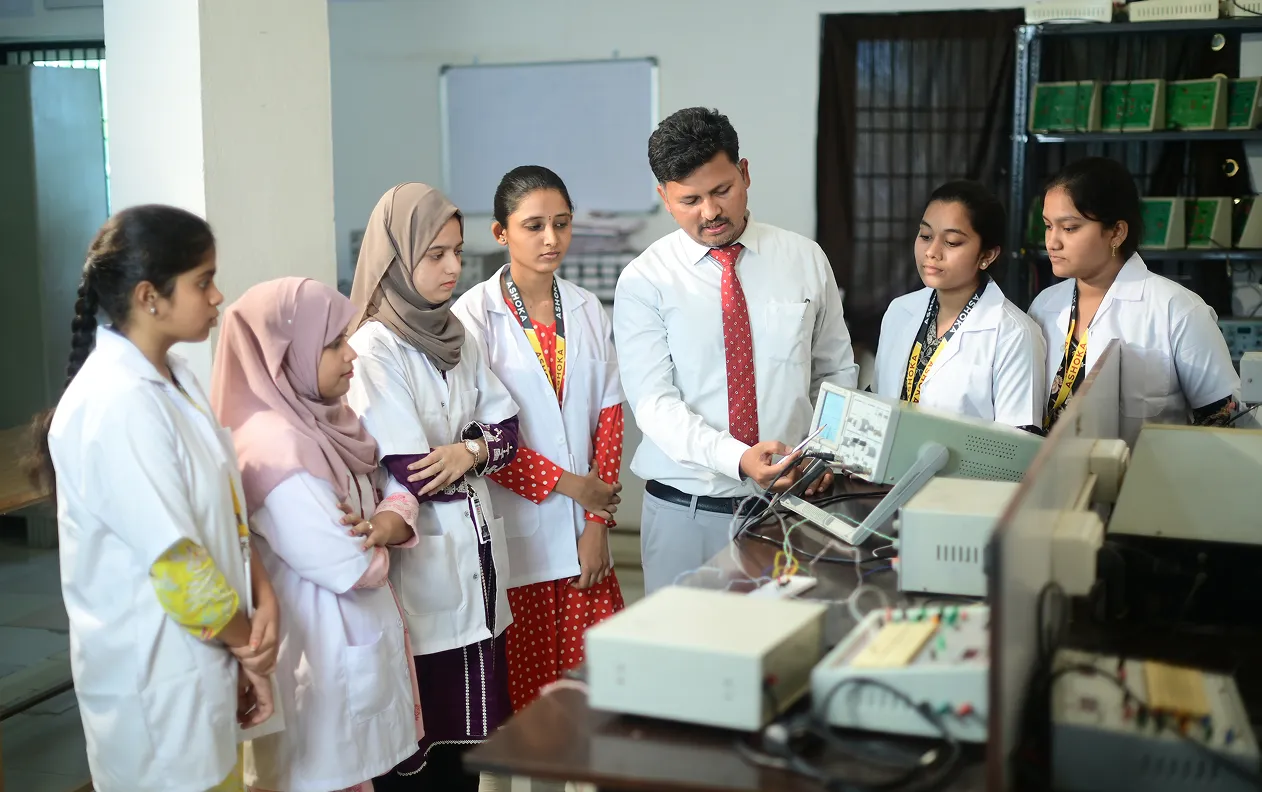
Design and experimentation of digital and analog electromechanical feedback control systems.